

The last year has involved a lot of travel. While I’m not proud of the air miles, I’ve had the luxury of spending time, mostly alone, in many of the (western) world’s great cities - London, New York, Barcelona, Berlin, Paris, Copenhagen, Zurich, San Francisco, Madrid, Istanbul.
And in my travels, I’ve been struggling to get away from the feeling that these cities are all starting to feel increasingly similar.
I’m not for a second suggesting local culture is dead. Every one of these places is wonderful in its own way, and the diversity of experience in such a densely populated region is what makes Europe so magical and unique. And full disclosure at this point - I live in the west. I know the west. I don’t know what life is like in Phnom Penh, Jakarta, Guangzhou or Dakar - but I would venture many of these trends feel increasingly recognisable.
What I’m suggesting is that the globalisation of culture is flattening out many of the kinks that make us different - gradually reducing our individuality by location, and tending us all towards a vibe that is as palatable as it is dull.
Let me explain.
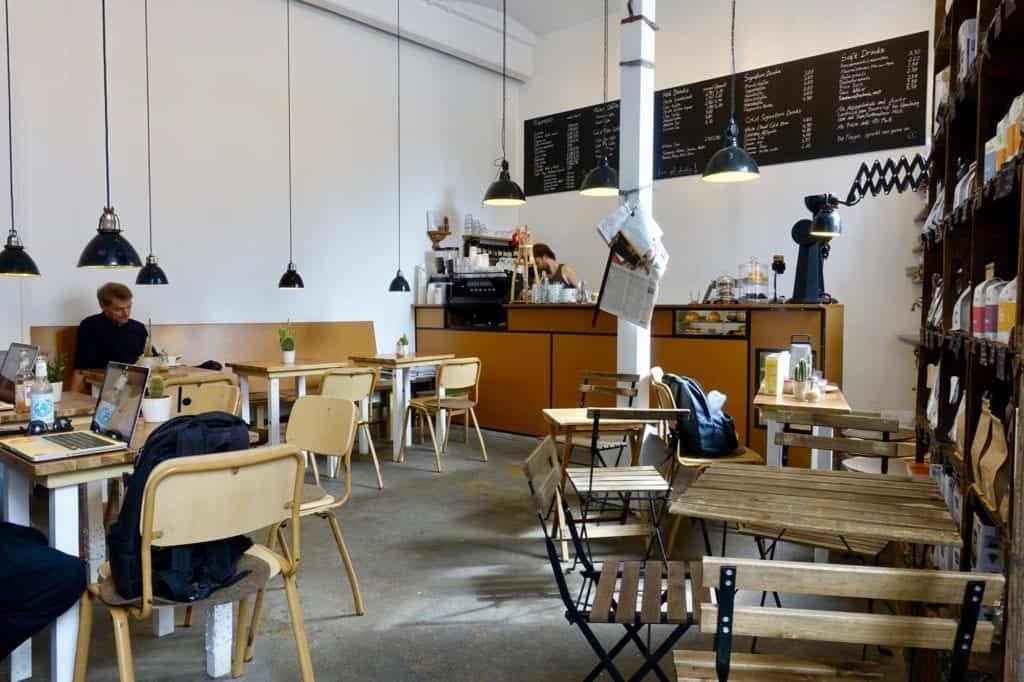
I was in Tokyo with a friend in 2017 - staying in a quiet corner of the city in an airbnb. We rolled out of our apartment - groggy, jet lagged - and on the corner was a speciality coffee shop. Low bench outside a big glass front window. Clean, if slightly overly self aware aesthetic, low fi hip hop on the speakers, and a barista with tattoos beneath his rolled up checked shirtsleeves and neckerchief.
It felt immediately familiar - reassuring, cosy - because it looked exactly like the coffee shop on my road in London. But not just homely, it also gave me a sense of belonging - like my “tribe” had been exported elsewhere - the effect I believe some people get when walking into a Soho House.
I remember this moment because it was the first time that I noticed globalisation hitting independent retail - the point at which the McDonalds experience crossed over into the world of owner-operated coffee shops.
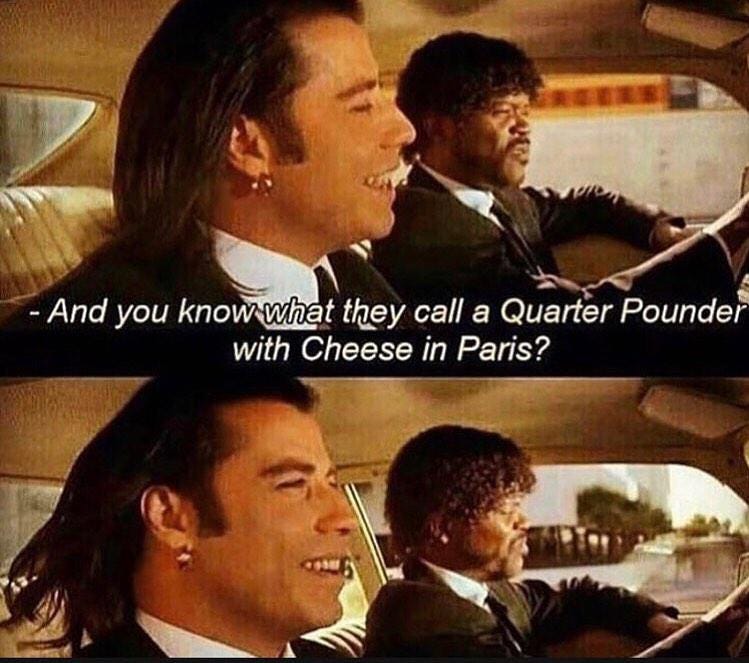
The weirdest part about this was a few years later I stumbled upon this 2024 episode of the Ezra Klein podcast - one of those moments where you wonder whether any thinking is ever totally novel - where the New Yorker’s Kyle Chayka tells almost exactly the same story as I outlined above.
He speaks of noticing the “coffee shop aesthetic” of “Subway tiles on the walls and mid-century Scandinavian furniture and handmade ceramic mugs” in Mexico City, New York and Tokyo in short succession.
He correctly diagnoses this as a symptom of social media platforms that feed a type of person a type of vibe, creating a “kind of lowest common denominator of aggregated taste”. Like him, I am less interested in why this commoditisation of taste is happening and more what this says about us and where this goes.
Especially so because since 2017, this trend has only accelerated - from identikit coffee shops through trinkety homeware shops with coloured woven candles to cocktail bars with Little Simz on vinyl and members’ clubs with bathrooms full of Aesop soap.
Firstly, it highlights an obvious point - that the global supply of goods has become standardised and interconnected to the point that even a woven candle is as easily purchasable on the West Coast of the US as it is in the middle of Turkey. This really is a marvel, and something I feel we don’t wonder at sufficiently often.
Secondly, it tells you something about people - that this idea of belonging has become totally transnational in the age of the internet. My feeling like part of a tribe - of rolled up trouser wearing, chore jacketed young people who float between these international hubs, comfortable as long as there’s a flat white on offer - is a reflection of a world where belonging is suddenly less national and more based on choices, feelings and aesthetics.
I feel this charts alongside the increasing trend of political differences playing out as struggles within generations vs. between them - where your urban liberal elite in France is closer to his English equivalent than to his lower income countryman.
And it also asks the question as whether the shift to a more nativist mindset in many major economies is fighting this internationalisation. Farage, Le Pen, Wilders, Vance etc. all hark back to a type of national culture and heritage that is particular and local. They diagnose the root cause as immigration, but it feels a symptom of this world they no longer recognise is perhaps a very digitally-driven type of globalism.*
But I think most worryingly, this aesthetic shift speaks to a flattening of culture and cultural output. The Klein podcast also mentions this commodification of taste, of interests, of aesthetics and ideas. And my question then projects this out - how does Bauhaus emerge if everyone’s references are the same? Who is Le Corbusier in the age of Pinterest? How does the Arts & Craft movement develop when the coffee shop in London is the same as the one anywhere else?
My worry is that much like AI-generated slop, this internet-driven standardisation of experience pushes us all towards the median cultural experience - both digitally and physically. It’s hygge, cheugy, mid century modern, goblin mode, brat. The long view of this is everywhere feels like an airport World Duty Free.
When I moved to Madrid, my initial source of familiarity was these places - the speciality coffee bars that reminded me of London. But after a while I sought out the gritty old tavernas with €1.50 coffee, sticky surfaces and 24/7 local news on in the background - I didn’t realise it immediately, but came to think I did it because these spaces felt real, and grounded me in the place in which I lived.
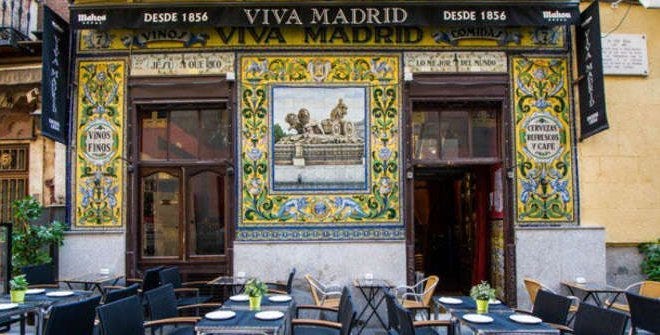
There was an authenticity to them that fed into the idea I had of Spain, the identity Spain had created for itself - that not only could be traced back through Lorca, Cervantes, Almodovar or Picasso, but importantly was Spanish because it wasn’t the same as everywhere else.
And so I suppose I ask - if we gradually swap those kind of places for high margin, international, internet-slop friendly coffee shops, bars and restaurants, what else do we lose in the process? And what will sacrificing individuality and idiosyncrasy for familiarity and comfort cost us long term?
*thanks to my pal Estia for this neat idea and some great thoughts on the piece